
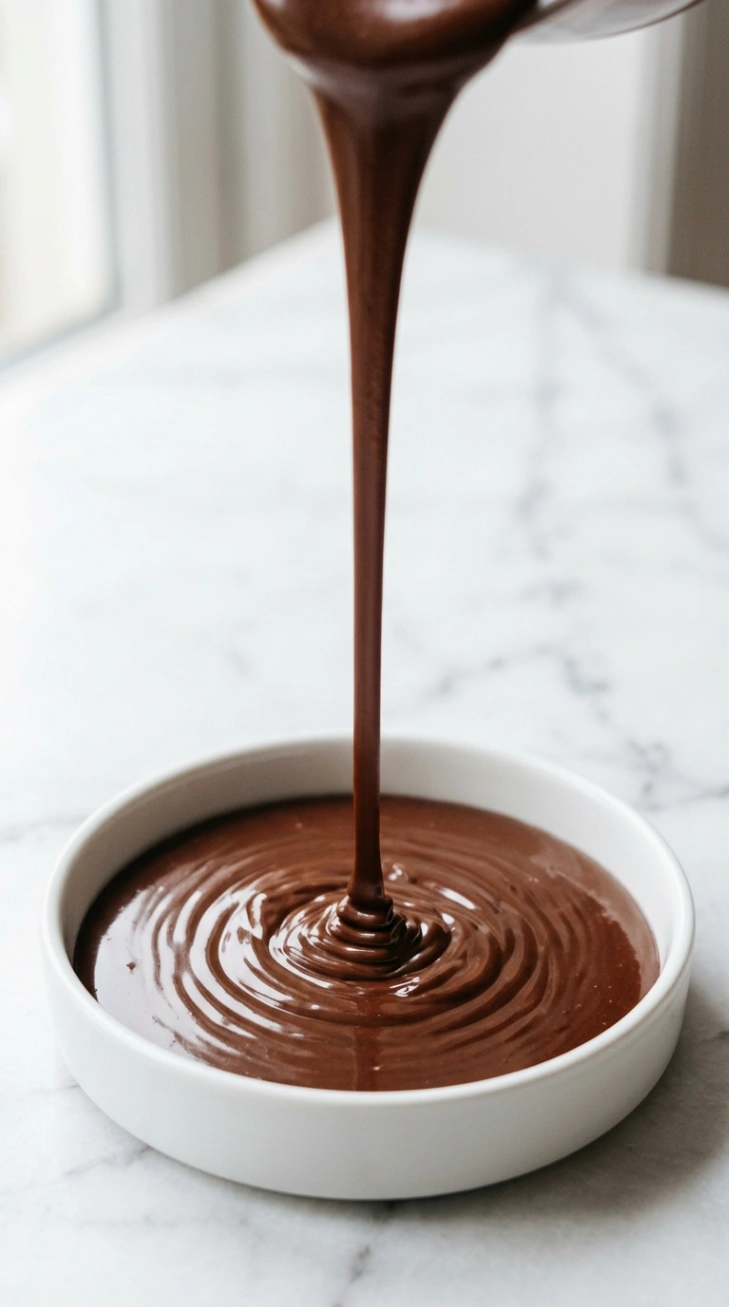
Why This Foolproof Chocolate Ganache Recipe Always Works
Chocolate ganache looks fancy on a cake. It sounds fancy too, with that French name and its glossy, mirror-like finish. But strip away the reputation and ganache is just two ingredients working together: chocolate and cream. That’s it. No flour, no baking, no timing games with an oven.
This foolproof chocolate ganache recipe is built for anyone who has been burned before, maybe literally, by a pot of cream. Perhaps your last batch turned grainy. Maybe it split into an oily mess halfway through mixing. Both problems are common, and both are fixable once you understand the small handful of things that actually matter: the ratio of chocolate to cream, the temperature of your ingredients, and how you combine them.
By the end of this guide, you will know how to make chocolate ganache that turns out smooth every single time, whether you want a thin glaze for a Bundt cake, a thick frosting for cupcakes, or a base for rolling chocolate truffles. We will also cover dairy-free and gluten-free versions, because good chocolate should not be off-limits to anyone.
Key Benefits of Making Your Own Chocolate Ganache
Homemade ganache beats anything from a jar, and not just on flavor.
It is genuinely simple. Two main ingredients, one bowl, and roughly ten minutes of hands-on time. There is no learning curve like there is with meringue or laminated dough.
It adapts to almost any dessert. Change the ratio of chocolate to cream and the same base recipe becomes a pourable glaze, a spreadable frosting, a whipped ganache, or firm truffle filling. One method, four outcomes.
It costs less than store-bought. A bag of good chocolate chips and a carton of heavy cream will make far more usable ganache than a small tub of premade frosting, and it tastes noticeably richer.
It keeps well. Made and stored properly, ganache holds in the refrigerator for about a week and in the freezer for months, so you can prep ahead of a birthday or holiday without stress.
It welcomes substitutions. Dark chocolate, milk chocolate, white chocolate, dairy-free alternatives. The core method barely changes, which makes this one recipe you can lean on again and again.
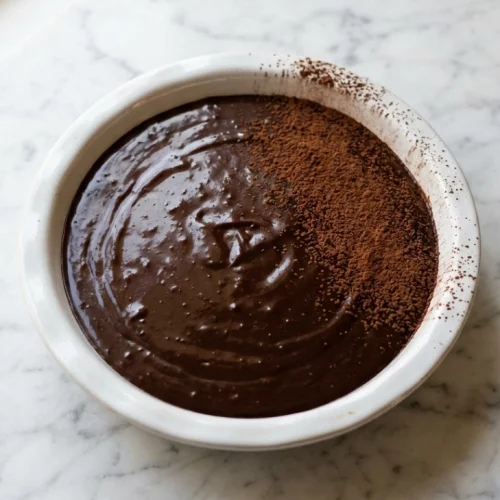
How to Make the Ultimate Foolproof Chocolate Ganache

Equipment
- Kitchen scale
- Small saucepan
- Heatproof medium bowl
- Whisk or spatula
- Airtight storage container
Ingredients
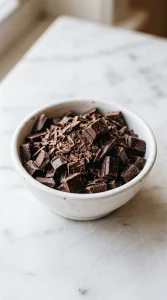
- 227 g 8 oz dark chocolate, finely chopped, or dark chocolate chips
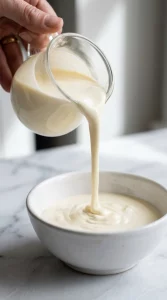
- 227 g 8 oz / 1 cup heavy cream
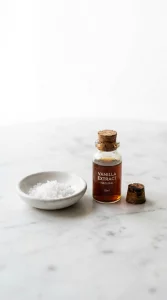
- 1/8 tsp fine salt optional
- 1 tsp vanilla extract optional
- 1 tbsp unsalted butter softened (optional, for extra shine)
- Ratio note: this is the classic 1:1 dark chocolate to heavy cream ratio by weight for an all-purpose, pourable ganache. For firmer truffle-ready ganache, increase toward a 2:1 chocolate to cream ratio.
Instructions
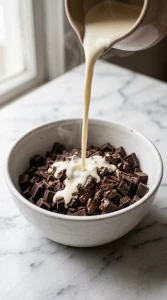
- Place the chopped chocolate in a heatproof bowl.

- Heat the heavy cream in a small saucepan over medium heat until steam rises and small bubbles form at the edges. Do not let it boil.
- Pour the hot cream over the chocolate, making sure all pieces are fully submerged. Do not stir yet.
- Let it sit undisturbed for 5 minutes so the heat can soften the chocolate all the way through.
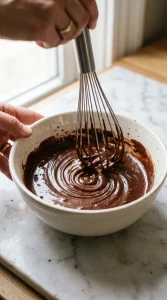
- Whisk gently in small circles from the center outward until the mixture turns smooth and glossy.
- Stir in salt, vanilla, and butter, if using.
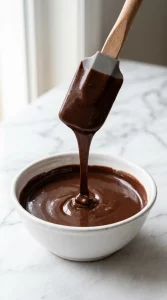
- Use warm for a pourable glaze, at room temperature for a spreadable frosting, or chilled for truffles.
Notes
- Weigh ingredients rather than measuring by volume for the most consistent results.
- Ganache thickens as it cools. If it looks too thin while warm, wait before adding more chocolate.
- Store airtight: 1 day at room temperature, up to 1 week refrigerated, up to 3 months frozen.
- Grainy or split ganache is almost always fixable: rewarm gently and whisk until smooth again.
| Nutrient | Amount |
| Calories | 168 kcal |
| Total Fat | 13.4 g |
| Saturated Fat | 9 g |
| Carbohydrates | 10 g |
| Sugar | 8 g |
| Fiber | 1 g |
| Protein | 1.3 g |
| Sodium | 15 mg |
Pro Tips and Variations (Including Vegan and Gluten-Free Options)
For a thinner glaze: use more cream relative to chocolate, closer to a 1:1.5 ratio of chocolate to cream.
For whipped ganache frosting: let the ganache cool completely to room temperature, then beat it with a hand mixer or stand mixer until it turns pale, light, and fluffy. This whipped ganache holds shape well for piping onto cupcakes.
For chocolate ganache without cream: you are not stuck if you are out of dairy or want a lighter option. A water ganache, made from chopped chocolate and hot water in roughly a 2:1 ratio, produces a glossy, pourable result with a longer shelf life at room temperature than dairy versions, a technique detailed by pastry chefs at King Arthur Baking. Full-fat coconut milk is another strong swap and behaves almost identically to heavy cream in texture, according to food science writing from pastry chef Nicola Lamb’s Kitchen Projects.
Vegan version: replace heavy cream with full-fat canned coconut milk, and confirm your chocolate is dairy-free (many dark chocolate chip brands already are). The ratio stays close to the dairy version, though coconut fat sets slightly firmer once chilled.
Gluten-free version: pure chocolate made from cocoa beans, sugar, and cocoa butter is naturally free of gluten. The real risk is cross-contact during manufacturing, since some brands process chocolate on shared lines with wheat-based products. If you are baking for someone with celiac disease, choose a chocolate labeled gluten-free or certified by a recognized gluten-free program, a precaution outlined by Healthline.
Flavor variations: orange zest, a shot of espresso, a spoon of peanut butter, or a splash of rum all fold into finished ganache beautifully without changing the core method.
Common Ganache Mistakes and How to Fix Them
Even a foolproof method has a few ways to go wrong. Here is what tends to happen, and how to fix it fast.
Grainy ganache. This usually means the chocolate did not fully melt before stirring, or the mixture cooled too fast. Gently reheat it in a microwave in short bursts, or set the bowl over a pan of barely simmering water, and whisk until it turns smooth again. Grainy texture is almost always reversible with gentle heat, a fix confirmed by pastry chefs at King Arthur Baking.
Split or greasy ganache. This happens when the fat separates from the water-based part of the mixture, often from overheating the cream or stirring too aggressively too soon. Whisk in a splash of warm cream, a tablespoon at a time, until the mixture pulls back together. Food scientists studying ganache structure have found that this splitting happens when there is not enough liquid available to keep the fat evenly suspended, particularly in high-cocoa dark chocolate, according to research published on ScienceDirect.
Ganache too thin. Simply give it more time. Ganache thickens as it cools, so refrigerate it for 20 to 30 minutes and check again before adding more chocolate.
Ganache too thick or already set. Warm it gently and whisk in a small amount of warm cream or milk until it loosens back up.
Personal tip: always weigh your chocolate and cream rather than measuring by volume. A kitchen scale removes almost all the guesswork, and it is the single change that stopped my own ganache failures years ago.
One Simple Trick That Makes Your Ganache Better
If you want your ganache to look genuinely professional, add a small amount of glucose syrup, corn syrup, or honey, about a teaspoon per cup of cream. This small addition slows sugar crystallization, which keeps the finished ganache glossy and prevents it from turning dull or grainy over the following days. It is a trick used in professional kitchens far more often than most home bakers realize, and it costs almost nothing to try.
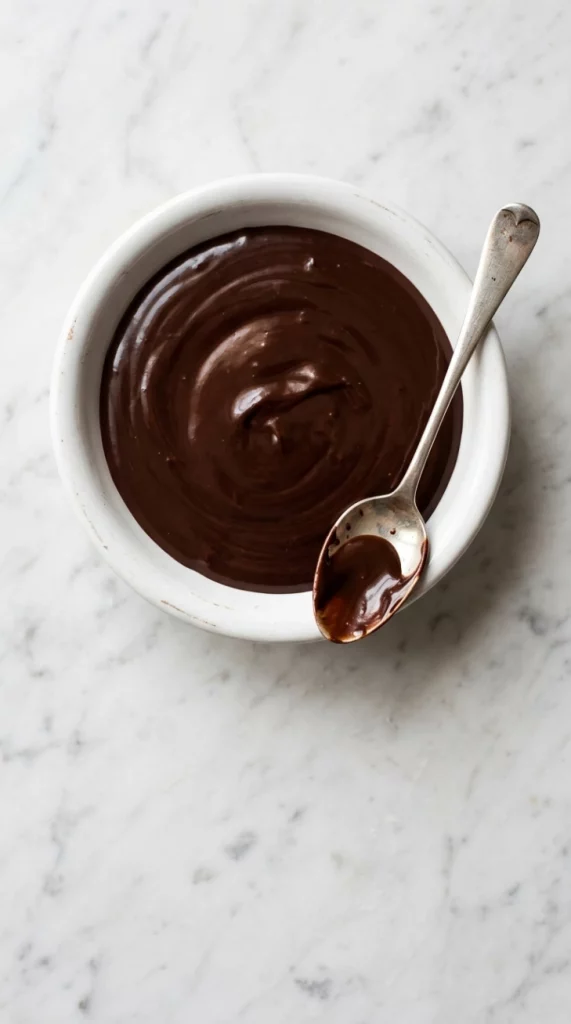
Ways to Use and Serve Chocolate Ganache
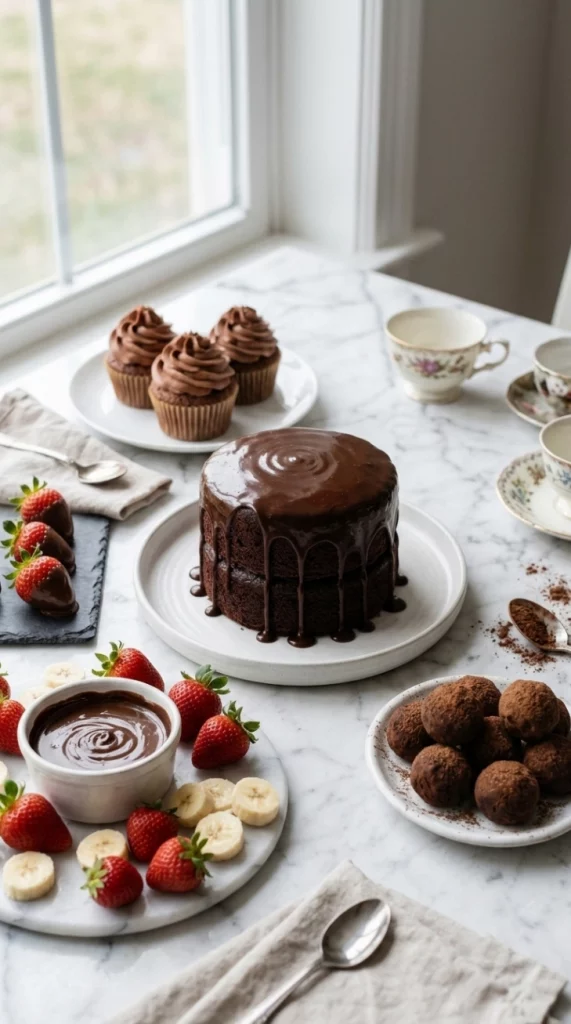
Once you know how to make chocolate ganache, a whole list of desserts opens up.
- Cake glaze: pour warm ganache over a cooled chocolate cake or Bundt cake for a shiny, dripping finish.
- Ganache frosting: whip cooled ganache and spread it over layer cakes or cupcakes.
- Chocolate truffles: roll chilled, firm ganache into balls and coat them in cocoa powder, chopped nuts, or a dip of tempered chocolate.
- Tart and pastry filling: pour ganache into a baked tart shell and let it set for a rich, sliceable dessert.
- Fruit dip: serve warm ganache alongside strawberries, bananas, or pretzels for dipping.
- Ice cream topping: drizzle slightly cooled ganache over vanilla or coffee ice cream for an easy hot fudge alternative.
Store leftover ganache in an airtight container. At room temperature it holds for about a day, in the refrigerator for around a week, and in the freezer for up to three months. Because ganache contains dairy, it should not sit out for more than two hours at room temperature, a guideline reflected in general food safety storage rules from the USDA Food Safety and Inspection Service.
Final Thoughts on Making Foolproof Chocolate Ganache
Ganache has a reputation it does not fully deserve. Once you understand the ratio, the temperature, and the resting time, it becomes one of the easiest things you can make in a home kitchen. Whether you are glazing a cake, whipping up frosting, or rolling truffles for a gift box, this same base method carries you through all of it.
Make a batch this week. Try it warm over a simple cake first, then experiment with whipping it or rolling truffles once you get a feel for the texture. Once you see how forgiving it really is, you will stop reaching for store-bought frosting for good.
Frequently Asked Questions About Chocolate Ganache
Why does my chocolate ganache look grainy? Graininess usually comes from chocolate that did not fully melt, or from cooling too quickly before the mixture fully combined. The fix is gentle reheating: warm the ganache slowly in the microwave in short bursts, or over a pan of barely simmering water, then whisk until smooth again. Rushing the resting step after pouring hot cream over chocolate is the most common cause.
Should I add butter to my ganache? Butter is optional, not required. A tablespoon or two, stirred in once the ganache turns smooth, adds extra shine and a softer, silkier texture, particularly useful for a glaze meant to look glassy on top of a cake. Skip it if you want a firmer ganache for truffles, since the added fat softens the set.
How to make the best chocolate ganache? Start with good chocolate, since flavor quality carries straight through into the finished ganache. Weigh your ingredients rather than eyeing them, warm the cream just until steaming rather than boiling, and let the mixture rest undisturbed for five minutes before stirring. That patience is what separates a smooth, glossy ganache from a grainy one.
How to make chocolate ganache set hard? Increase the ratio of chocolate to cream, moving closer to 2 parts chocolate for every 1 part cream. Chilling the ganache in the refrigerator also speeds up firming, which is exactly the method used for truffle centers that need to hold their shape when rolled.
You may also like these other cooking ideas:
How to Cream Butter and Sugar Properly
The ‘let it sit undisturbed for 5 minutes’ tip was the game changer for me… always used to stir too early and get that grainy texture. Came out glossy and smooth this time!
I’ve definitely split a batch before from stirring too aggressively too soon. Good to know it’s fixable with a splash of warm cream instead of starting over completely
Love that this is really just two ingredients. The tip about weighing instead of measuring by volume is such a simple fix, trying it on my next batch for truffles!