
The Recipe For Spiced Pumpkin Bread You’ll Make On Repeat
Pumpkin season brings out a craving most of us can’t explain. One whiff of cinnamon and clove drifting from the oven, and suddenly the whole kitchen feels warmer. That’s the pull behind this recipe for spiced pumpkin bread. It’s not just another quick bread recipe. It’s the loaf people ask about after one bite.
This bread earns its bold title honestly. The crumb stays moist for days. The spice blend hits every note: nutmeg, cinnamon, clove, and a touch of pumpkin pie spice working together instead of competing. And unlike a lot of pumpkin bread recipes floating around, this one skips the shortcuts that leave you with a dry, crumbly loaf pan disaster.
You don’t need fancy equipment. You don’t need a stand mixer. A large bowl, a whisk, and one loaf pan get the job done. Whether you’ve made a dozen pumpkin bread recipes before or this is your first attempt at a quick bread, the method below removes the guesswork.
What makes this different from the pumpkin bread you’d find at Trader Joe’s or in a Smitten Kitchen archive? Balance. Many recipes lean too sweet or too spiced. This one uses real pumpkin puree, not pumpkin pie filling, and measures the sugar and spice ratio so the pumpkin flavor still comes through. According to the USDA’s SNAP-Ed nutrition program, pumpkin works well in breads, muffins, pancakes, and cookies precisely because its natural moisture and mild sweetness blend into almost any batter without overpowering it.
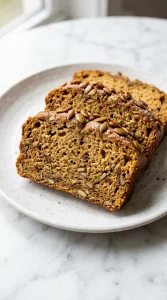
By the end of this guide, you’ll have a finished loaf with a golden crust, a tender center, and a flavor that holds its own against any bakery version. Let’s get into why this recipe works so well before we bake it.
Key Benefits Of This Moist Spiced Pumpkin Bread Recipe
A good bread recipe should earn a spot in your regular rotation. Here’s why this one does.
It stays moist for days, not hours. Many bread recipes turn dry by day two. This one uses a specific ratio of oil to pumpkin puree that locks in moisture. Baking experts at King Arthur Baking explain that butter contains close to 18% water, and that water evaporates during baking. Oil doesn’t carry that same water content, so it leaves more fat behind in the finished crumb. That’s a big reason this loaf tastes just as good on day three as it does fresh from the oven.
It uses simple pantry staples. Flour, baking soda, baking powder, sugar, spices, eggs, oil, and pumpkin puree. No hunting for specialty ingredients.
It adapts easily. Whether you need a vegan version, a gluten free version, or a two loaf batch for gifting, the base recipe flexes without falling apart. We’ll cover those swaps in the Pro Tips section.
It packs real nutrition. Pumpkin puree brings fiber, vitamin A, and potassium to the table. A single cup of pumpkin puree delivers close to a quarter of your daily fiber needs and well over 100% of your daily vitamin A, according to USDA nutrient data compiled by food science researchers. That’s a meaningful nutritional boost hiding inside a dessert-like bread.
It smells like fall the moment it hits the oven. Cinnamon, nutmeg, and clove combine into that instantly recognizable pumpkin spice aroma that fills the house.
It works for beginners and experienced bakers alike. No yeast, no proofing, no complicated technique. Mix wet ingredients, mix dry ingredients, combine, bake.
These benefits add up to a bread recipe that performs better than the version stashed away in most family recipe boxes.
Recipe For Spiced Pumpkin Bread So Good It Feels Illegal

Equipment
- 9 x 5-inch loaf pan
- Large mixing bowl
- Medium mixing bowl
- Whisk
- Rubber spatula
- Wire cooling rack
- Toothpick or cake tester
- Parchment paper (optional)
Ingredients
Dry Ingredients
- 1 3/4 cups all-purpose flour
- 1 tsp baking soda
- 1/2 tsp baking powder
- 1/2 tsp salt
- 1 1/2 tsp ground cinnamon
- 1/2 tsp ground nutmeg
- 1/4 tsp ground clove
- 1 tsp pumpkin pie spice
Wet Ingredients
- 1 1/2 cups pumpkin puree
- 1/2 cup vegetable oil
- 2 large eggs
- 1 cup granulated sugar
- 1/3 cup brown sugar packed
- 1/4 cup water or milk
Optional Add-Ins
- 1/2 cup chopped walnuts or pecans
- 1/3 cup dried cranberries
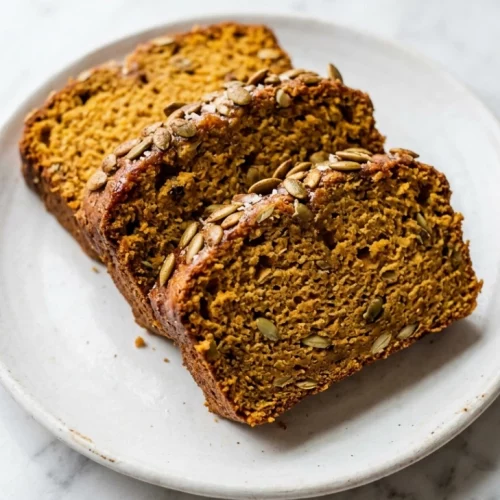
- 2 tbsp pumpkin seeds for topping
Instructions
- Preheat the oven to 350°F. Grease a 9 x 5-inch loaf pan or line it with parchment paper.
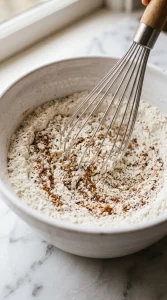
- In a medium bowl, whisk together the flour, baking soda, baking powder, salt, cinnamon, nutmeg, clove, and pumpkin pie spice.

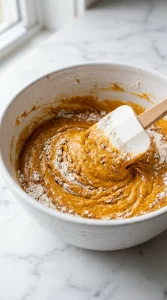
- In a large bowl, whisk together the pumpkin puree, oil, eggs, granulated sugar, and brown sugar until smooth. Whisk in the water or milk.
- Add the dry ingredients to the wet ingredients. Fold gently until just combined; do not overmix.
- Fold in walnuts, pecans, or cranberries if using.
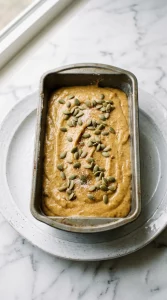
- Pour the batter into the prepared pan and smooth the top. Sprinkle with pumpkin seeds if desired.
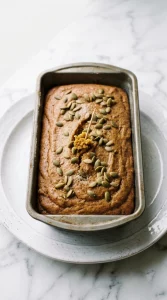
- Bake for 55 to 65 minutes, until a toothpick inserted in the center comes out clean or with a few moist crumbs.
- Cool in the pan for 10 minutes, then transfer to a wire rack to cool completely before slicing.

Notes
- Use plain pumpkin puree, not pumpkin pie filling, which already contains added sugar and spice.
- Weigh your flour if possible; scooping directly from the bag can compact it and dry out the loaf.
- Store at room temperature in an airtight container for up to 3 days, or freeze wrapped tightly for up to 3 months.
- For a vegan version, replace each egg with a flax egg (1 tbsp ground flaxseed + 3 tbsp water, rested 5 minutes).
- For a gluten free version, use a 1:1 gluten free flour blend that includes xanthan gum.
Nutrition Information (per serving, approximate)
| Nutrient | Amount |
| Calories | 245 kcal |
| Total Fat | 10 g |
| Saturated Fat | 1.5 g |
| Cholesterol | 31 mg |
| Sodium | 190 mg |
| Total Carbohydrates | 36 g |
| Dietary Fiber | 1 g |
| Sugars | 21 g |
| Protein | 3 g |
| Vitamin A | 65% DV |
| Potassium | 110 mg |
These figures are estimated from standard ingredient nutrition databases. Since WP Recipe Maker has a built-in nutrition calculator, run the final ingredient list through it for a precise, publish-ready label — especially important if you plan to add walnuts, cranberries, or swap oil types, since those change the fat and calorie count.
Pro Tips And Variations For Vegan Or Gluten Free Pumpkin Bread
This base recipe adapts well to different diets and preferences without losing its texture or flavor.
For a vegan version: Replace each egg with a flax egg (1 tablespoon ground flaxseed mixed with 3 tablespoons water, rested for 5 minutes until it thickens). Pumpkin puree is naturally vegan and gluten free, so it already supports this swap well. The bread will bake slightly denser but still holds together and tastes just as rich.
For a gluten free version: Swap the all-purpose flour for a 1:1 gluten free flour blend that already contains xanthan gum. Almond flour or straight coconut flour won’t work as a direct substitute here since they absorb liquid differently and will throw off your batter’s texture. A measured gluten free blend keeps the crumb structure closest to the original.
For extra moisture: Add 2 extra tablespoons of pumpkin puree or a tablespoon of Greek yogurt to the wet ingredients. Both add moisture without thinning the batter too much.
For a streusel topping: Mix 3 tablespoons flour, 3 tablespoons brown sugar, 2 tablespoons melted butter, and a pinch of cinnamon. Sprinkle over the batter before baking for a bakery-style finish.
For mini loaves or muffins: This batter converts well into a 5-inch loaf pan set or a standard muffin tin. Reduce the bake time to 20 to 25 minutes for muffins and check often since smaller portions bake much faster.
For whole wheat flour: Substitute up to half the all-purpose flour with whole wheat flour for added fiber. Using all whole wheat flour will make the loaf denser and slightly drier, so a partial swap works best.
Common Pumpkin Bread Mistakes And How To Avoid Them
Even a simple quick bread recipe can go wrong in a few predictable ways. Here’s what to watch for.
Mistake: A sunken center. This usually means the bread came out of the oven too early, or too much baking soda was used relative to the batter’s acidity. Stick to the exact measurements above, and always test with a toothpick before pulling the pan.
Mistake: A dense, gummy texture. Overmixing the batter develops gluten in the flour mixture, which makes the crumb tough instead of tender. Mix only until the dry and wet ingredients come together. A few small lumps are fine.
Mistake: Bread sticking to the pan. Grease every corner of the pan, including the top edges, or use parchment paper with an overhang on two sides so you can lift the loaf straight out.
Mistake: Weak spice flavor. Spices lose potency over time. If your cinnamon, nutmeg, or clove have been sitting in the pantry for over a year, they may not deliver the punch this recipe needs. Fresh spices make a noticeable difference.
Mistake: Using pumpkin pie filling by accident. This is one of the most common mix-ups at the grocery store. Pumpkin pie filling already contains sugar and spice, and using it in place of plain puree will make the bread overly sweet and change the texture. Always double check the can label before adding it to your bowl.
Personal tip: I always weigh my flour instead of scooping it directly with a measuring cup. Scooping packs extra flour into the cup, which dries out the final loaf. A kitchen scale removes that guesswork entirely.
One Simple Trick That Improves This Pumpkin Bread Recipe
Here’s the trick that takes this loaf from good to genuinely craveable: brown your sugar mixture with the oil first before adding the eggs.
Warming the oil slightly and stirring it with the brown sugar for about 30 seconds helps the sugar dissolve more fully into the fat before it meets the eggs and pumpkin. This small step smooths out the batter and helps the finished bread bake with a slightly caramelized flavor at the edges, similar to what you’d notice in a well-made brown butter dessert.
A second trick worth trying: rest the batter for 10 minutes at room temperature before baking. This gives the baking soda and baking powder time to start reacting evenly throughout the batter rather than only at the surface, which helps the loaf rise more evenly in the oven.
Bakers at Milk Street tested oil against butter across several quick bread recipes and found that oil consistently produced a softer, more moist crumb in pumpkin-based bakes, letting the pumpkin flavor come through more clearly than butter did. That’s exactly the effect this recipe is built around.
Best Ways To Serve Spiced Pumpkin Bread
This bread works well on its own, but a few pairings take it further.
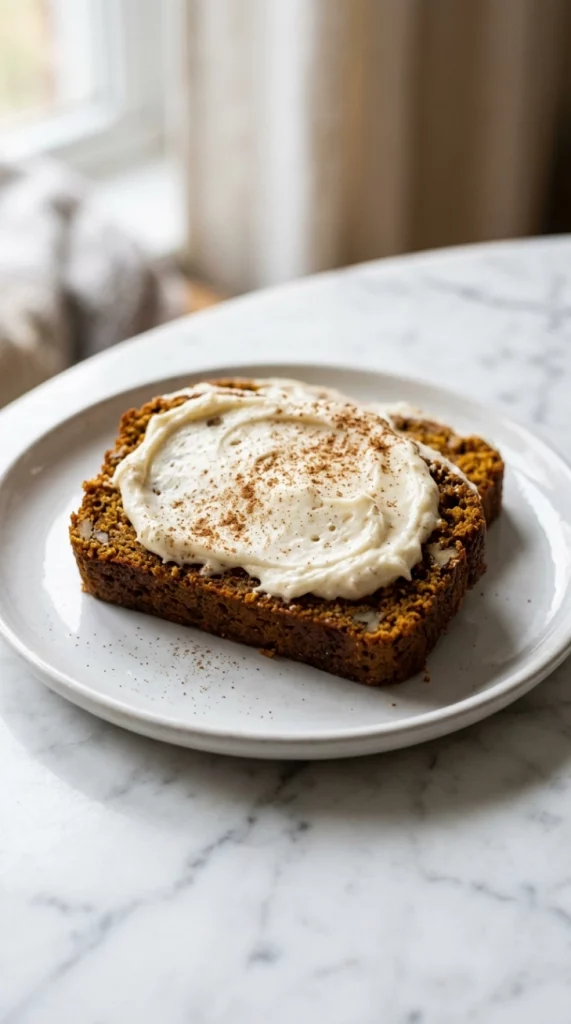
- Slice it thick and toast it lightly, then spread with softened butter or cream cheese.
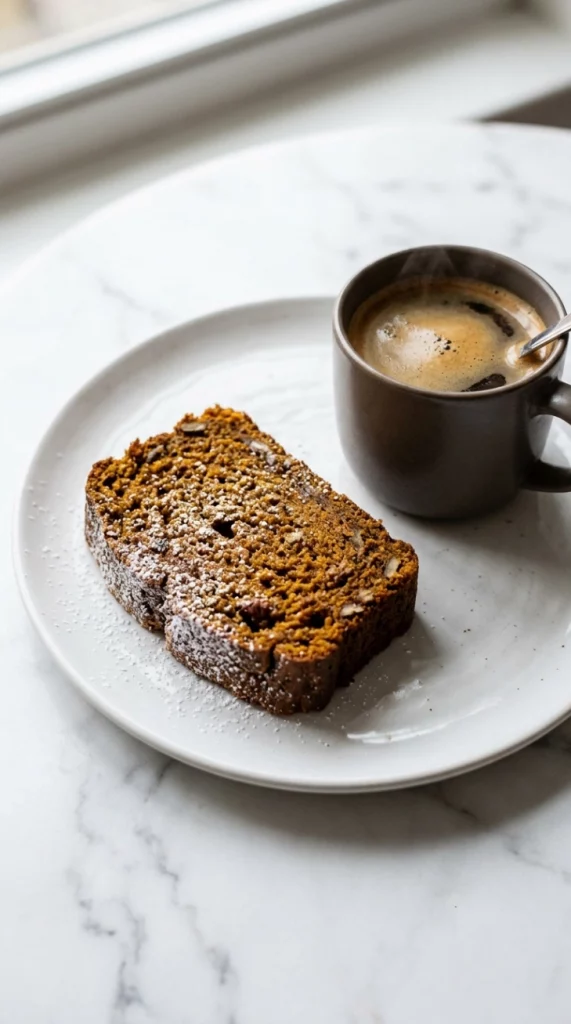
- Serve alongside a warm cup of coffee or spiced chai for a cozy breakfast pairing.
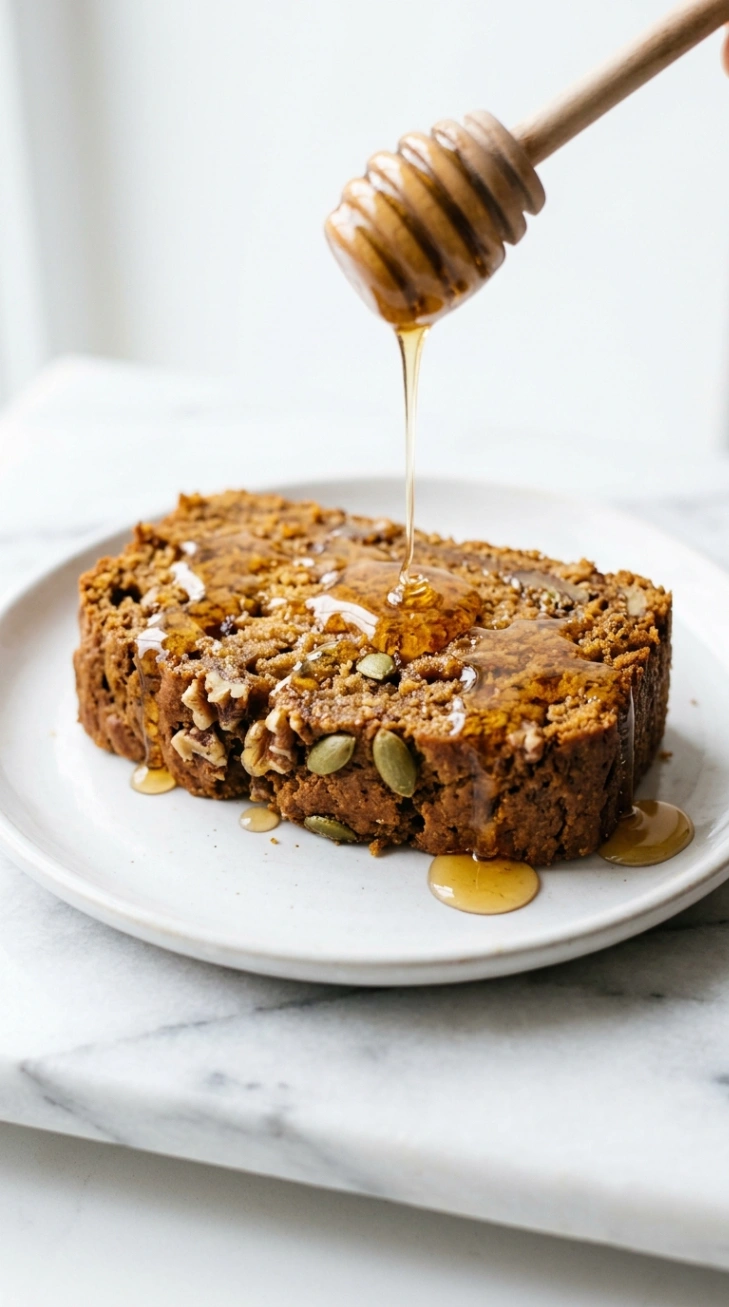
- Add a drizzle of honey or maple syrup over a warm slice for extra sweetness.
- Pair it with a scoop of vanilla ice cream for a simple fall dessert.
- Cut it into cubes and layer it into a trifle with whipped cream and caramel sauce for a holiday-worthy presentation.
- Bring it to a potluck sliced and wrapped individually in plastic wrap for easy serving.
For gifting, wrap the cooled loaf in plastic wrap, then in parchment paper, and tie it with twine. It travels well and keeps its texture for several days.
Conclusion
This recipe for spiced pumpkin bread delivers everything a fall bake should: a moist crumb, bold spice, and a flavor that gets better as it sits. Whether you bake it exactly as written or adjust it for a vegan or gluten free kitchen, the method stays simple and forgiving. Once you’ve made it once, you’ll understand exactly why the title claims it feels illegal. Bake a loaf this weekend and see for yourself.
FAQs
What can I add to my pumpkin bread to make it more moist? Extra pumpkin puree, a spoonful of Greek yogurt, or an extra tablespoon of oil all boost moisture without changing the recipe’s structure. Using oil instead of butter also helps, since oil doesn’t lose water content through evaporation during baking the way butter does.
Should I refrigerate pumpkin bread after baking? Plain bread without dairy-based frosting or fillings is generally safe to store at room temperature in an airtight container, where it will keep for a few days before it starts to lose quality. According to the USDA’s Food Safety and Inspection Service, baked goods like bread fall into a lower-risk category compared to perishable foods, though refrigerating your loaf can extend its freshness if you live somewhere warm and humid. For longer storage, wrap it tightly in plastic wrap and freeze it for up to three months.
Is it better to make pumpkin bread with oil or butter? Oil generally produces a moister, softer crumb in pumpkin bread. Butter brings more flavor, but it also contains water that evaporates during baking, which can dry out the loaf faster. Many recipe developers now use oil specifically for this reason, especially in quick breads meant to stay fresh for several days.
When making pumpkin bread, do you grease the pan? Yes. Grease the entire interior of the pan, including the top edges where the batter rises, using butter, oil, or a baking spray. For extra insurance against sticking, line the pan with parchment paper, leaving an overhang on the two long sides so you can lift the finished loaf straight out.
You may also like these other cooking ideas:
Try This Colorful, Irresistible Quinoa Buddha Bowl